
A low safari price can leave important costs outside the package. Knowing what to ask before booking a safari helps you compare the full picture. Ask what the rate includes and excludes, which meals, accommodation, transport, and game drives are covered, and what you’ll pay separately. Also ask who will guide you, which language they’ll use, what safety measures apply to your itinerary, and how cancellations and refunds work.
Kenya’s seasons shape the experience, too. The main rainy season falls in April and May, while July and August are popular safari months and can be crowded in the Maasai Mara Reserve. Your preferred wildlife-viewing period, lodging style, and travel dates can all affect which itinerary makes sense.
This guide brings practical questions together, from comparing operators and seasonal timing to reviewing accommodation, budgets, package inclusions, and potential extra costs. With clear answers, you can weigh safari options confidently and choose a trip that suits the way you want to experience Kenya.
Key Takeaways
- Compare operators by asking about guide language, itinerary safety measures, cancellation terms, and the account that receives payment.
- Match your travel dates to the wildlife experience you want, and weigh seasonal viewing opportunities against potential crowding.
- Choose lodging with your preferred comfort and safari style in mind, including whether access to a private concession matters to you.
- Read the package inclusions and exclusions side by side so you can account for meals, transport, accommodation, and separate expenses.
1. Choosing and verifying safari operators and guides
For a first safari, choose the country based on the wildlife, landscapes, and travel style you want. In Kenya, compare destinations such as the Maasai Mara and Tsavo, then consider how each fits your route and available time. Ask the operator to explain the itinerary in practical terms, including travel between stops and what each day involves. A clear plan helps you judge whether the destination suits your first wildlife trip.
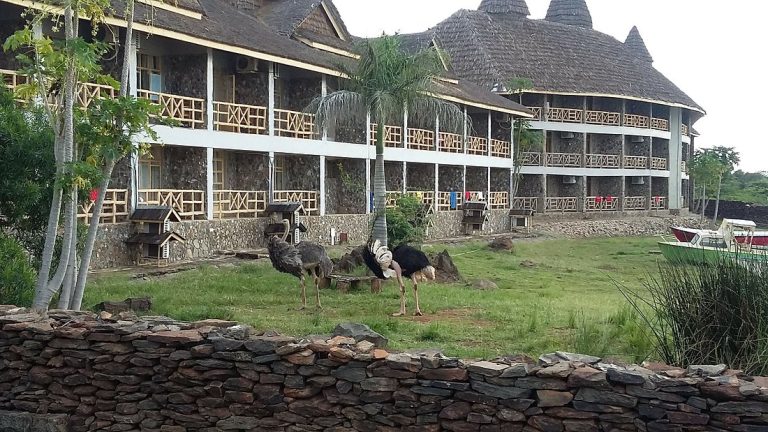
Compare safari lodges, tented camps, and budget camps by looking at comfort, setting, and what the stay includes. A lodge may suit travellers who value a more permanent structure, while a tented camp can bring you closer to the landscape. Budget camps may help you prioritise safari activities over accommodation extras. Review the room or tent description, meals, facilities, and location together, rather than relying on the label alone.
Before booking, ask who will guide the safari and which language they’ll use. Ask how the operator manages safety on itineraries with physically risky activities, and what specific measures apply to your route. Cancellation and refund terms should be clear, including the conditions and process. Pay to a company account, not a personal one, and make sure the account details match the operator’s name.
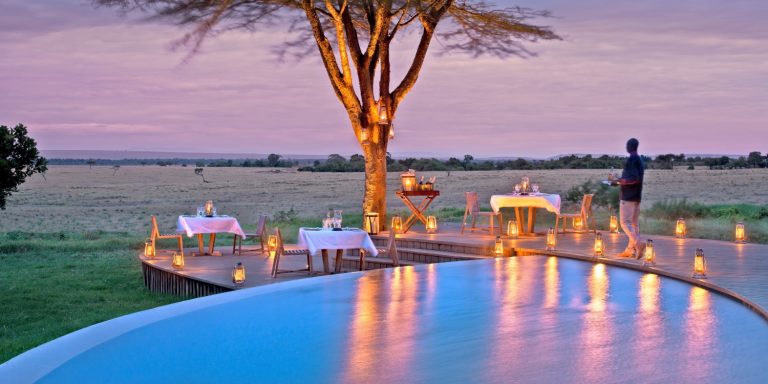
Location can change the feel of a wildlife drive. Ask whether your camp has access to a private concession: these areas can limit guest numbers and vehicles, permit off-road driving, and offer night drives. The Maasai Mara National Reserve has strict daylight-only hours, while private concessions can allow night drives. Ask which area your accommodation accesses and where game drives take place, so you understand the experience before committing. For a 6-10 day safari, choosing two or three camps can balance variety with fewer accommodation changes.
2. Kenya safari seasons and wildlife viewing
Kenya’s main rainy season is in April and May, while January, February, and March are hot months. June can bring lush vegetation after weeks of heavy rain. In the Maasai Mara, the Great Migration viewing period typically runs from July to October. July and August are popular, but the Maasai Mara Reserve can be crowded. Choose dates around your priorities: seasonal scenery, migration viewing, or a quieter pace.
In Tanzania, the Serengeti’s calving season typically runs from December to March. A Kenya-Tanzania itinerary can help you compare different wildlife-viewing periods, but destinations and dates shape the experience. Ask which areas your route visits and what seasonal wildlife activity is expected there.
A private safari gives your travel party its own vehicle and more control over the pace. A group safari shares the vehicle and schedule with other travellers. Weigh the privacy and flexibility you want against the shared nature of a group option.
For health preparation, discuss routine vaccinations, destination-specific vaccine advice, and malaria prevention with a travel-health professional familiar with your itinerary and medical history. Choose travel insurance that covers medical care and emergency evacuation during safari activities.
Pack neutral-coloured clothing, binoculars, a power bank, a zoom-lens camera, a small first-aid kit, and high-SPF sunscreen. Luggage limits depend on the transport used for your itinerary, so compare the stated allowance with your bag before packing.
Ask the operator to explain the risks and specific safety measures for any physically risky activity. During wildlife viewing, follow your guide’s instructions, stay within the vehicle unless told otherwise, and keep a respectful distance from animals. A clear seasonal plan, suitable insurance, and practical packing help you prepare for Kenya’s changing landscapes and safari conditions.
3. Lodging type, budget, and inclusions
Set your Kenya safari budget around the full itinerary, not just the accommodation rate. Compare the trip length, transport, meals, activities, and lodging together. A budget-focused plan might prioritise essential game drives and simpler stays, while a luxury plan may place more value on added services and comfort. Ask for the total in KSh and a clear breakdown, so you can see how each choice affects the overall cost.
Read the package inclusions line by line. A typical Kenya safari package usually includes an English-speaking guide, 4×4 transport, safari meals, bottled water in the vehicle, and accommodation. However, some camps and lodges combine game drives, meals, drinks, and transportation in a game package rate. Ask whether those elements are included in your quoted package or priced separately, rather than assuming every accommodation rate covers the same services.
Luxury safari packages may add sundowners, bush breakfasts, and laundry services. Consider whether you’ll use these extras before choosing them: a bush breakfast may appeal if you value dining outdoors, while laundry can be useful on a longer itinerary. For a budget safari, compare what remains included without premium extras. The best comparison is between complete itineraries with similar destinations, travel arrangements, and activity plans.
Before deciding, put each option into a simple written comparison. Record accommodation, meals, game drives, road transport, drinks, and separate charges. Ask how changing the lodging choice affects transport or activity arrangements. Clarify whether the quoted amount covers every traveller and planned night. For example, two options may appear similar until one includes game drives and meals while the other lists them separately. Clear inclusions make it easier to judge the actual value, not just the first figure you see.

4. Safari package inclusions and hidden costs
A Kenya safari quote is easiest to compare when every inclusion and exclusion appears in writing. A typical package usually includes an English-speaking guide, 4×4 transport, safari meals, bottled water in the vehicle, and accommodation. Some camps and lodges combine game drives, meals, drinks, and transportation in a game package rate. Ask which of these items your quoted package covers, since the accommodation rate and safari package may describe different things.
Build a side-by-side comparison from the itinerary and quote. List each accommodation night, planned game drive, meal, and road transfer, then mark whether it is included. Ask about drinks beyond bottled water, laundry, and any activities mentioned in the itinerary. Luxury packages may include sundowners, bush breakfasts, and laundry services, so consider whether those extras suit your plans before comparing them with a simpler package.
International airfare and entry visas are rarely included in a Kenya safari package’s base price. Keep them separate in your travel budget, and ask which other travel arrangements fall outside the package. For every quoted amount in KSh, request a written breakdown of what it covers. Then ask whether any listed activity, meal, or transfer requires a separate payment, rather than assuming it is covered by the headline total.
Ask for written cancellation, deposit, and refund terms before paying. The policy should state the deposit due, payment dates, cancellation deadlines, deductions, and how refunds are processed. Clear terms help you understand the financial consequences of changing your plans.
Before you book, read the itinerary and payment terms together. Check that the accommodation, transport, meals, and game drives named in the itinerary match the inclusions list. A missing transfer or separately charged activity can change your total budget, even when the package description sounds comprehensive. Safari operators should clearly disclose inclusions and exclusions, helping you understand costs before booking. To compare a Kenya itinerary with its included arrangements, explore Kenya safari packages.
Steve & Richard Safaris: Kenya Safari Packages
Steve & Richard Safaris offers Kenya Safari Packages for travellers ready to turn their priorities into a practical Kenya itinerary. If your journey starts on the coast, Safari Tours from Mombasa or Safaris from Diani may fit your plans; Safaris from Nairobi suit travellers beginning in the capital. Consider your preferred departure point alongside the wildlife areas, travel dates, accommodation style, and package inclusions you’ve identified. This helps shape a safari around the experience you want, whether you’re comparing options or narrowing down a route. Share the details that matter most to your trip, such as where you’ll start and the kind of stay you prefer. Visit Steve & Richard Safaris to discuss your Kenya safari plans.
Take the Next Step Toward Your Kenya Safari
Knowing what to ask before booking a safari is useful; turning your answers into clear priorities makes the planning conversation more focused. Decide what you most want from the journey, which trade-offs feel comfortable, and what matters most to your travel companions. A short shared brief helps everyone make decisions with the same expectations in mind.
Keep that brief practical. Note your preferred travel pace, the atmosphere you hope to experience, and the details you want reflected in the itinerary. You don’t need every choice settled before you begin. A thoughtful starting point makes it easier to discuss possibilities and shape a trip that feels right for you.
Steve & Richard Safaris can help you take those priorities into a Kenya safari planning conversation. Contact Steve & Richard Safaris to begin planning, and look forward to discovering Kenya at your own pace.
Frequently Asked Questions
What is included in the safari package price in Kenya?
Inclusions vary by itinerary, so use the written quote to see exactly what your payment covers. A typical Kenya safari package usually includes accommodation, transport in a 4×4, an English-speaking guide, safari meals, and bottled water in the vehicle. A useful part of deciding what to ask before booking a safari is comparing the quote with your day-by-day itinerary, including any activities or services listed there.
What are the best months to book a Kenya safari?
The best months depend on the wildlife experience and conditions you prefer. The Maasai Mara’s Great Migration viewing period typically runs from July to October, while April and May are Kenya’s main rainy season. For a Kenya and Tanzania trip, the Serengeti’s calving season typically runs from December to March. Match your travel dates to the parks and seasonal experiences on your route.
Which Kenyan safari parks and reserves should I choose?
Consider the Maasai Mara, Tsavo, Amboseli, Lake Nakuru, or Samburu, then choose based on your route, travel dates, and wildlife priorities. For example, travellers focused on the Great Migration may consider the Maasai Mara during its typical July-to-October viewing period. Ask how much time the itinerary spends in each area, rather than choosing parks by name alone.
What questions should I ask about the safari vehicle, guide, and group size?
Ask whether you’ll travel in a 4×4, whether the safari is private or shared, and how many travellers will use the vehicle. Clarify whether it has a pop-up roof, how luggage is accommodated, and whether the same guide leads each game drive. Ask the guide’s language, too, so you can follow explanations and communicate comfortably throughout the trip.
Are park entry fees, meals, transfers, and flights included in the quote?
Meals and road transfers may not all be included, so ask for a clear yes or no beside each item. Some Kenya safari packages cover them, while international airfare and entry visas are rarely part of the base price. Ask specifically whether park entry fees are included, and compare the answer with the itinerary before judging two quotes side by side.
How can I verify that a safari operator in Kenya is licensed and reputable?
Ask for the operator’s legal business name and current licence details, then verify them with the relevant issuing authority. Check that the name on your booking documents matches the business receiving payment, and use a company account rather than a personal account. When considering what to ask before booking a safari, include how the operator handles changes or complaints, and look for specific traveller feedback about communication and guiding.