
Kilimanjaro Peak Adventure
Conquering Kilimanjaro: Your Ultimate Guide to Reaching the Summit of Africa’s Highest Peak
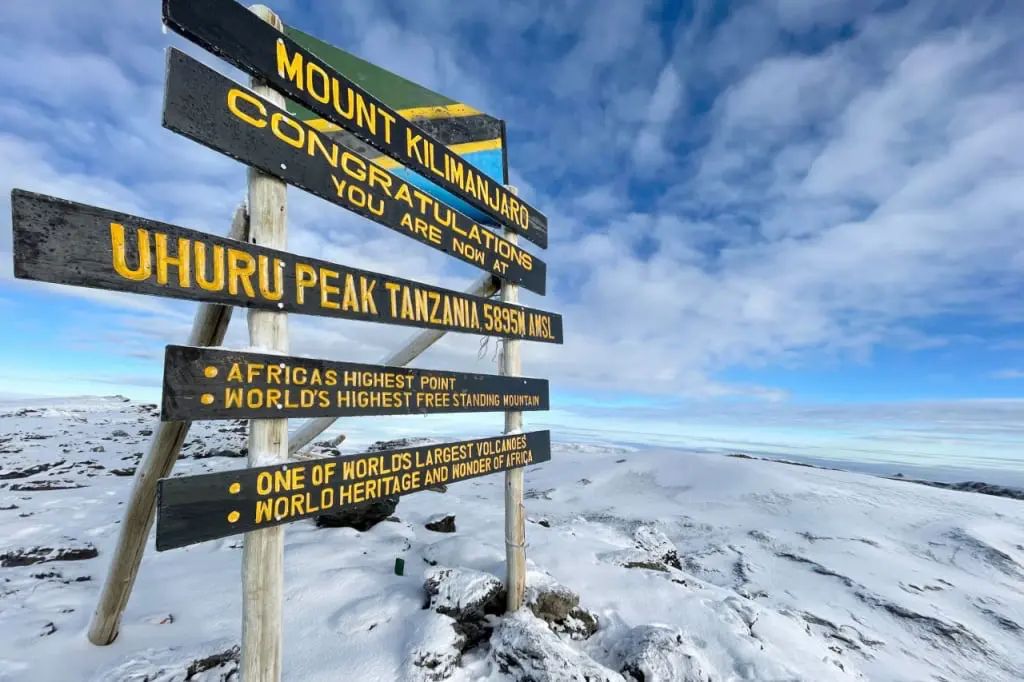
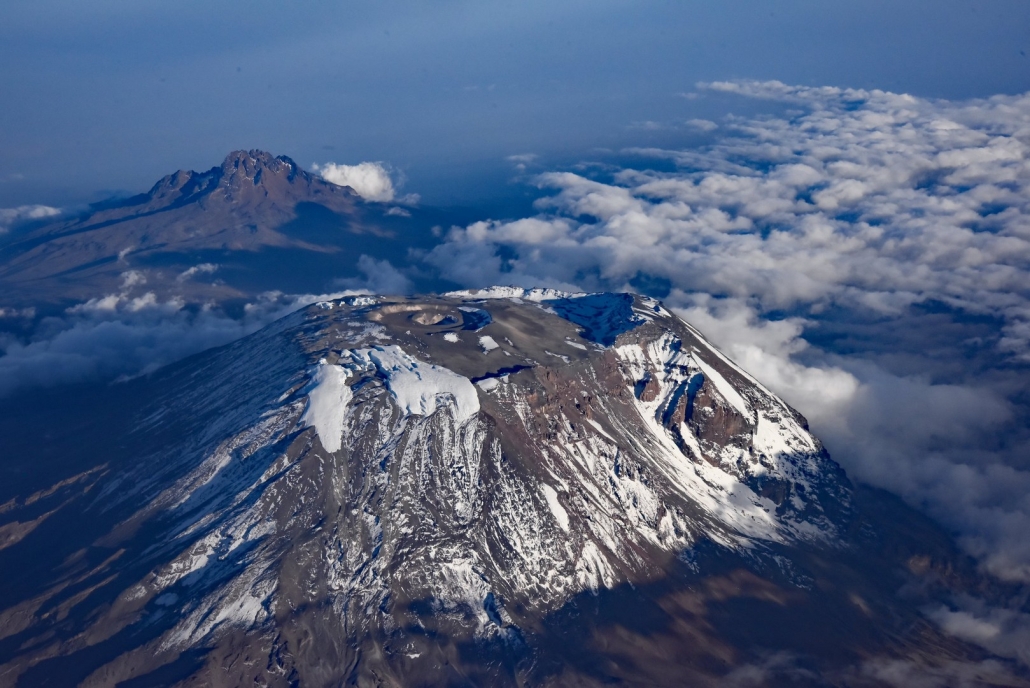
Standing at a breathtaking 19,341 feet (5,895 meters), Mount Kilimanjaro is the highest peak in Africa and one of the world’s most iconic trekking destinations. Conquering this majestic mountain is more than just a physical feat—it’s a transformative journey that challenges your limits and rewards you with sweeping vistas, diverse ecosystems, and the profound accomplishment of standing on the Roof of Africa.
Whether you’re an experienced climber or a determined first-timer, this guide will help you prepare, choose the right route, and make the most of your Kilimanjaro experience. And for those looking to extend their East African adventure, you’ll find plenty of curated Kenya safari holiday packages to complement your summit success.
Understanding the Routes: Which Path to Choose?
Mount Kilimanjaro offers several trekking routes, each with unique scenery, terrain, and acclimatization profiles:
-
Marangu Route: Known as the “Coca-Cola Route,” it’s the only route with hut accommodations. It’s relatively direct but offers less acclimatization time.
-
Machame Route: Also called the “Whiskey Route,” it’s more scenic and allows for better altitude adjustment.
-
Lemosho Route: A quieter and more scenic option, perfect for those seeking solitude and excellent acclimatization.
-
Rongai Route: Approaches from the Kenyan side and offers a drier, less vegetated path.
-
Northern Circuit: The newest and longest route, offering panoramic views and the best acclimatization profile.
To ease back into relaxation post-climb, consider combining Kilimanjaro with luxury safaris in Kenya for a seamless highland-to-savannah experience.
Preparing for the Climb: Gear and Packing Tips
The key to a successful climb lies in proper gear preparation. Since Kilimanjaro spans five distinct ecological zones—from rainforest to alpine desert—you’ll need to pack accordingly:
-
Layered clothing: Base layers (moisture-wicking), insulating layers (fleece or down), and a waterproof outer shell.
-
Hiking boots: Sturdy, ankle-supportive, and well-broken in.
-
Backpack: A 30–40L daypack with a hydration system.
-
Other essentials: Sleeping bag rated to -10°C, trekking poles, headlamp, sun protection, gloves, and a personal first aid kit.
Planning to climb during your East Africa vacation? Many adventurers start or end their trip in Kenya, with options like safaris from Nairobi, Mombasa, or Watamu.
Physical Training: How to Get Fit for Kilimanjaro
Months of preparation are essential. Focus on:
-
Cardio training: Running, cycling, swimming to build endurance.
-
Strength training: Target your legs, core, and upper body.
-
Hiking practice: Train on varied terrain with a loaded pack.
-
High-altitude exposure (if possible): Get used to the lower oxygen levels.
The climb is tough, but post-summit, you can reward yourself with a coastal escape—perhaps a Wasini Island tour from Diani Beach or a 1-day Tsavo East safari—perfect for cooling down and reflecting.
Acclimatization: The Secret to a Safe Summit
High altitude is Kilimanjaro’s greatest challenge. Acclimatization tips include:
-
Choose longer routes (e.g., Lemosho or Northern Circuit).
-
Follow the “climb high, sleep low” strategy.
-
Stay hydrated—aim for 3–4 liters of water per day.
-
Eat a high-carb diet.
-
Be aware of symptoms: headache, nausea, dizziness.
Avoid shortcuts. Choosing a route with optimal acclimatization increases your summit success and safety.
Choosing a Tour Operator: What to Look For
A reliable tour operator ensures your safety and enriches your experience. Look for:
-
Certified guides and responsive support teams.
-
Ethical treatment of porters (e.g., KPAP members).
-
Comprehensive safety protocols and acclimatization plans.
-
Transparent pricing and inclusions (gear, meals, permits).
While many climbers launch their Kilimanjaro expedition from Tanzania, pairing it with a Kenya air safari or a 5-day package starting from Diani offers an incredible post-climb experience.
Health and Safety Considerations
Key safety tips for the mountain:
-
Get a medical check-up before the trip.
-
Pack and understand altitude medications (e.g., Diamox).
-
Carry a well-stocked first aid kit.
-
Maintain hygiene with hand sanitizer and clean water practices.
Choose operators that monitor your health daily and follow recognized evacuation protocols.
Best Time to Climb Kilimanjaro
The best climbing seasons are:
-
January–March: Cold, possibly snowy, fewer crowds.
-
June–October: Warmer, dry weather, more climbers.
Avoid April–May and November, the rainy seasons. For optimal conditions and views, time your climb during the dry seasons.
Looking for a quieter post-climb retreat? Explore the peaceful beauty of Watamu Beach or the Wasini Island tour from Diani.
What to Expect on the Trek: Daily Progression
Kilimanjaro’s ecosystems include:
-
Rainforest zone – Lush greenery and rich biodiversity.
-
Heather/moorland – Open vistas and dramatic flora.
-
Alpine desert – Stark beauty, temperature extremes.
-
Summit zone (Arctic) – Ice fields and glaciers.
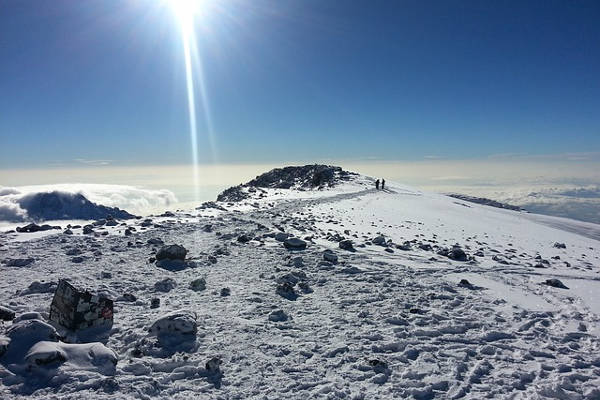
Summit night starts around midnight. After hours of uphill trekking, you’ll reach Uhuru Peak at sunrise—a life-affirming moment with unparalleled views.
For nature lovers, extending your adventure with a visit to Kenya’s iconic national parks like Tsavo East or Amboseli National Park offers a wildlife-filled contrast to Kilimanjaro’s barren heights.
Celebrating Your Achievement: Descent and Beyond
Descent is faster but still demands caution. Use trekking poles and take breaks to reduce stress on joints.
Once you’ve descended:
-
Celebrate your success with your group.
-
Collect your summit certificate.
-
Reflect and document your experience.
-
Plan your next adventure—perhaps a Kenya luxury safari or a coastal escape from Diani.
Final Thoughts: From Summit to Savannah
Climbing Kilimanjaro is an unforgettable experience that challenges both body and spirit. But the journey doesn’t have to end at the summit. Pair your climb with curated safari experiences from Mombasa, Nairobi, or Diani Beach to discover East Africa’s rich wildlife, cultures, and coastlines.
Whether it’s watching elephants in Amboseli, exploring Tsavo, or relaxing on Wasini Island, your Kilimanjaro triumph is just the beginning.


