
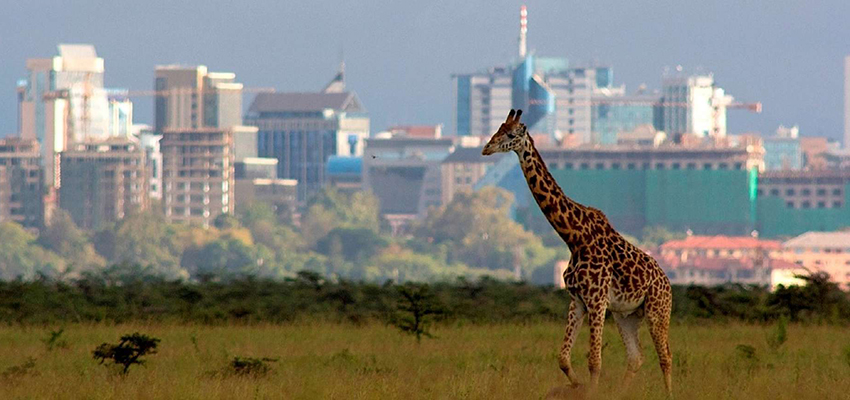
Nairobi National Park
Nairobi National Park – Kenya’s Wildlife Haven at the City’s Edge
Nairobi National Park is one of the most unique wildlife sanctuaries in the world, located just 7 km from Nairobi’s city center. Here, lions, rhinos, giraffes, and zebras roam freely against a backdrop of skyscrapers — an iconic symbol of how modern life and untamed wilderness can coexist. For travelers seeking an authentic safari experience without leaving the capital, this park is a must-visit.
With the expertise of trusted operators like Steve and Richard Safaris, visitors can explore this remarkable destination through guided game drives, customized packages, and combined safari tours across Kenya.
Why Nairobi National Park is Special
-
Proximity to the City
It’s the only national park in the world situated so close to a capital city. In under 30 minutes from downtown Nairobi, you can be on a game drive. -
Big Game Sightings
The park is home to lions, leopards, buffaloes, and rhinos, offering a chance to spot four of the Big Five without venturing far. -
Conservation Success
Nairobi National Park is renowned for its black rhino sanctuary, which plays a key role in protecting this endangered species. -
Variety of Ecosystems
From open savannah grasslands to riverine forests and seasonal wetlands, the park’s diverse habitats support over 400 bird species.
Outbound link: Nairobi National Park – KWS
Main Attractions in Nairobi National Park
1. Game Drives
Game drives are the highlight of the park. Visitors can spot lions lazing under acacia trees, giraffes grazing gracefully, and herds of zebras crossing the plains. Guided safaris with Steve and Richard Safaris ensure the best routes and wildlife viewing opportunities.
2. Black Rhino Sanctuary
This secure area is home to one of the largest concentrations of black rhinos in Kenya, making Nairobi National Park a critical site for conservation.
3. Ivory Burning Site Monument
A historic landmark where, in 1989, President Daniel arap Moi burned 12 tons of ivory to signal Kenya’s commitment to wildlife protection. Today, it remains a symbol of the fight against poaching.
4. Walking Trails and Picnic Sites
Visitors can enjoy walking trails such as the Hippo Pools Trail, where you may see hippos and crocodiles along the Mbagathi River.
5. Birdwatching
The park is a haven for bird enthusiasts, with species like ostriches, crowned cranes, secretary birds, and migratory birds during certain seasons.
Sample Safari Itinerary – Half Day in Nairobi National Park
-
06:30 AM – Pick-up from Nairobi hotel or airport.
-
07:00 AM – Enter the park for a morning game drive. Spot lions, giraffes, buffaloes, rhinos, and a variety of birdlife.
-
10:30 AM – Visit the Ivory Burning Site Monument or take a guided nature walk.
-
12:00 PM – Exit the park and return to the hotel or continue to other Nairobi attractions such as the David Sheldrick Elephant Orphanage or Giraffe Centre.
👉 You can book tailored city and park tours through Safaris from Nairobi.
Wildlife in Nairobi National Park
-
Big Cats: Lions, leopards, cheetahs
-
Large Mammals: Black and white rhinos, buffaloes, zebras, giraffes, wildebeests
-
Birdlife: Over 400 species including ostriches and migratory birds
-
Aquatic Life: Hippos and crocodiles in rivers and dams
Unlike larger national parks such as Amboseli National Park or Tsavo East National Park, Nairobi’s park offers a compact yet rich safari experience in just a few hours.
Safari Packages That Include Nairobi National Park
1. Day Trips from Nairobi
Perfect for travelers on a tight schedule, day trips include a game drive and visits to nearby attractions.
Check out Kenya Safari Holiday Packages for flexible options.
2. Extended Tours
Combine Nairobi National Park with other destinations like Amboseli, Tsavo, and the Maasai Mara for a complete safari. For example:
-
Start with a half-day game drive in Nairobi National Park,
-
Continue to Safaris from Mombasa or the coast,
-
End with a luxury stay in Kenya’s National Parks.
3. Luxury Safaris
Stay in high-end lodges or tented camps, fly between destinations, and enjoy tailor-made experiences with Luxury Safaris in Kenya.
Best Time to Visit Nairobi National Park
-
Dry Season (June–October, January–February): Best for wildlife viewing, as animals gather near waterholes.
-
Wet Season (March–May, November–December): Excellent for birdwatching and lush landscapes, though roads can be muddy.
The park is open year-round, making it accessible for both short-term visitors and long-stay tourists.
Travel Tips
-
Timing: Morning game drives offer the best wildlife sightings.
-
What to Bring: Binoculars, camera, sunscreen, hat, and a reusable water bottle.
-
Transport: Use a 4×4 safari vehicle for the best experience.
-
Combine Attractions: Visit the Giraffe Centre and David Sheldrick Wildlife Trust alongside your park safari.
-
Booking: Use licensed tour operators like Steve and Richard Safaris for safe, guided experiences.
Conservation and Sustainability
Nairobi National Park plays a vital role in:
-
Protecting black rhinos
-
Providing a migratory corridor for wildlife between the city and the Athi-Kapiti Plains
-
Educating visitors on sustainable tourism
By booking eco-conscious tours and lodges, travelers directly support conservation and community initiatives.


Conclusion
Nairobi National Park is not just a stopover; it’s a world-class safari destination that allows you to witness Africa’s iconic wildlife in just a few hours. From rhinos and lions to giraffes and birds, the park delivers an authentic safari experience without leaving the capital city.
Whether you’re on a layover, a short city break, or beginning a longer safari across Kenya, Nairobi National Park offers the perfect introduction to Kenya’s natural heritage.
With professional guides from Steve and Richard Safaris, you can enjoy game drives, tailored safari packages, and seamless connections to other parks like Amboseli, Tsavo, and the Maasai Mara.