
Safari Overview
- Planning Your Safari
- · Why It Feels Special
- · Best Time to Go
- · Wildlife on Game Drives
- · The Great Migration
- · Practical Tips
- · Conservation & Community
- · Making the Journey Your Own
The first time the vehicle stops on an open ridge and the engine cuts out, the silence is almost physical. Wind moves through the long grass with a soft, continuous hush. Somewhere far off a lion calls—a deep, rolling sound that seems to travel farther than it should. Dust hangs in the golden light of late afternoon. That moment, when the scale of the plains finally settles into your body, is what a Masai Mara safari is really about. It is not only animals and scenery. It is the feeling of standing inside one of the last great wild systems left on Earth, a place where the human presence is temporary and the ancient rhythms continue whether you are watching or not.
This is the landscape that has lived in the imaginations of travelers for generations: the classic African safari made real. Open grasslands roll toward distant blue hills. Acacia trees stand alone like carefully placed sculptures. The light changes constantly—harsh and clear at midday, soft and honey-colored in the early hours, dramatic and storm-lit when clouds build in the afternoons. A Masai Mara safari invites you to slow down enough to notice these shifts, to feel the heat rising from the earth, to hear the insects, to watch the way a herd of zebra moves as a single, flickering organism across the flats. The experience is sensory as much as visual. Dust on the skin. The smell of rain on dry earth. The sudden stillness that falls over a vehicle when a leopard is found in the branches of a tree. These are the details that stay with people long after the photographs have been shared.

Planning Your Masai Mara Safari Overview {#planning}
In southwestern Kenya, the Masai Mara forms the northern extension of the greater Serengeti ecosystem. It is named for the Maasai people who have lived with this land for centuries and for the Mara River that stitches the plains together, providing water in the dry months and drama during the migration. The reserve itself is relatively compact compared with some of Africa’s larger parks, yet the sense of space is immense. Open grasslands give way to riverine thickets, rocky outcrops, and low, rolling hills. The light and the weather can change the entire character of a day within a few hours.
For many travelers this landscape represents the ultimate safari dream. It delivers the classic moments people hope for—lions working a herd at first light, elephants moving in slow, deliberate processions across the flats, the sudden electric stillness when a leopard is discovered in an acacia. It also delivers quieter experiences that are harder to describe in advance: the way the horizon seems to keep expanding no matter how far you drive, the smell of crushed grass after a herd has passed, the feeling of being a small guest in a much larger story that has been unfolding for millennia.
A well-planned Masai Mara safari balances the desire for wildlife with the practical realities of travel. Most visitors arrive via Nairobi, either by road (a scenic but longer journey of several hours) or by light aircraft that lands on one of the airstrips inside or near the reserve. The flight itself becomes part of the experience—watching the landscape transform from city and farmland into the vast green and gold of the Mara. Once on the ground, the days settle into a natural rhythm of early starts, game drives, rest during the heat of midday, and another drive in the softer light of afternoon. Nights are spent in lodges or tented camps where the sounds of the bush continue after dark: the distant whoop of hyenas, the grunt of a lion, the soft calls of night birds.
The Masai Mara is part of a larger conservation landscape that includes community-owned conservancies bordering the main reserve. These conservancies often offer a different quality of experience—fewer vehicles, more exclusive access, and a closer relationship with the Maasai communities who own and manage the land. Many travelers find that combining time in the main reserve with nights in a conservancy gives the richest overall picture of the ecosystem and its people.
Why a Masai Mara Safari Is Truly Special {#why-special}
What stays with people long after they leave is the density and the ease of the encounters. In a single morning you can watch elephants, buffalo, giraffe, zebra, wildebeest, hyena and several species of antelope without driving great distances. The animals are not hidden in dense forest or distant mountains; they move across open country where the eye can follow them for kilometers. Big cats are especially visible here. Lions rest in the open, often in family groups that include cubs tumbling over one another. Cheetahs use the slight rises and termite mounds to scan the plains, their bodies low and focused. Leopards, though more secretive, appear often enough in the riverine strips and rocky areas that the possibility of finding one feels real every day.
The scale of the landscape amplifies everything. A herd of elephants can look small against the horizon until you draw closer and realize how large each individual is. A pride of lions can seem almost casual as they walk across the track in front of the vehicle, yet the power in their movement is unmistakable. The open space creates a sense of freedom that is rare in the modern world. There are no fences between you and the animals, only the temporary boundary of the vehicle and the shared understanding that this is their territory.
Then there is the light. Photographers speak of the golden hours, but in the Mara the quality of light seems to change the emotional temperature of every scene. Early morning mist rises from the river and softens the outlines of trees and animals. Midday heat creates a shimmer that makes distant herds appear to float. Late afternoon turns the grass to copper and the sky to deep blue and orange. Storms build in the distance with theatrical speed, and the air itself seems charged. These conditions make every game drive feel distinct, even when the same animals are seen from different angles or in different weather.
The human element adds another layer. Guides who know the land intimately can read tracks, interpret behavior, and anticipate where animals are likely to be. Their knowledge turns a drive into a conversation with the landscape. Guests begin to notice smaller details—the alarm calls of birds, the direction of the wind, the way a particular tree stands alone on a ridge. Over days, the Mara stops being a list of species to tick and becomes a living place with its own moods and rhythms.
Best Time to Book a Masai Mara Safari {#best-time}
The question people ask most often is simple and practical: When should I go?
The answer depends on the kind of experience you want most. July to October is the classic dry-season window and the period most closely associated with the Great Migration. Water sources shrink, animals concentrate around remaining rivers and waterholes, and the short grass makes wildlife easier to see. The migration is usually at its height during these months, bringing enormous herds of wildebeest and zebra into the reserve from the Serengeti. Predator activity rises with the abundance of prey. Game viewing can be extraordinary, with multiple sightings of big cats, large herbivore herds, and dramatic river crossings when the animals decide to move. The trade-off is higher visitor numbers and the need to book the best camps and lodges well in advance—sometimes a year or more for the most sought-after properties during peak weeks.
The green season that follows the rains offers a different but equally rewarding character. From November through May the grass grows tall and vivid, the air is clearer after rain, and birdlife becomes especially rich. Resident wildlife remains present year-round, so lions, elephants, giraffe and other species continue to be seen. Fewer vehicles mean more intimate encounters and a quieter atmosphere. The landscape feels softer and more alive with new growth. Even April, which falls in the long rainy season, can reward travelers who accept the possibility of afternoon showers and muddy tracks in exchange for solitude, dramatic skies, and lower rates. Some of the most memorable photographic light occurs when storms clear and the sun breaks through heavy clouds.
The Mara remains a strong year-round destination because the core wildlife populations do not leave. Migration timing varies with rainfall patterns, so exact dates shift from year to year. Travelers who are flexible and interested in the quieter side of the experience often find the shoulder periods—late June, early November, or the green months—especially satisfying. Those whose primary goal is the spectacle of the migration and maximum density of animals will prioritize the dry months and plan accordingly. The most useful approach is to decide first what emotional quality of trip you want—intensity and drama, or space and stillness—and then match the season to that preference.
Wildlife to Expect on Game Drives {#wildlife}
Under the protection of the Kenya Wildlife Service and the surrounding conservancies, the ecosystem supports an extraordinary range of animals. Large herds of wildebeest, zebra and gazelle move across the plains in shifting patterns. Elephants travel in family groups, their slow, deliberate progress across open ground creating some of the most peaceful scenes of a safari. Giraffe browse the higher foliage of acacias, their long necks and patterned coats making them visible from a great distance. Buffalo form dense herds that can number in the hundreds. Hippos crowd the pools of the Mara River, their grunts and splashes audible from the banks. Crocodiles lie motionless on sandbars or drift with only their eyes and nostrils above the water.
The predator population is healthy and visible, which is one of the main reasons professional guides and experienced travelers rate the Mara so highly. Lions are frequently encountered, often in sizable prides that include multiple generations. Watching cubs play under the watchful eyes of lionesses, or seeing a male lion walking with the heavy confidence of an animal that knows it has little to fear, is a highlight for most visitors. Cheetahs use the open country to their advantage, climbing termite mounds or slight rises to scan for prey. Their hunts, when successful, are among the most dramatic and fast-moving events a visitor is likely to witness. Leopards prefer the denser cover along rivers and drainage lines. Finding one draped across a branch in the soft light of morning or evening ranks among the most treasured moments of any safari.
The practical joy of the Mara is how often these animals appear in the course of a single drive. One morning can move from a lion pride with cubs to a cheetah on a termite mound to a leopard in an acacia, while elephants and giraffe continue their own unhurried lives in the middle distance. Smaller species add texture: bat-eared foxes, jackals, mongooses, and a rich variety of birds from secretary birds striding through the grass to lilac-breasted rollers flashing brilliant color in flight. The density creates the feeling that the wild is not distant or elusive—it is simply present, going about its business while you are allowed to watch.
Over successive days the animals stop being individual sightings and begin to feel like characters in a continuous story. A particular pride of lions may be followed across several drives. A collared elephant or a known cheetah may reappear. Guides share the histories of certain animals, and guests develop a sense of continuity that deepens the emotional connection to the place.
The Great Migration Experience {#migration}
Every year the herds push north from the Serengeti into the Masai Mara, usually between July and October, though the exact timing shifts with rainfall and the condition of the grass. The movement is one of the largest terrestrial migrations on the planet. Hundreds of thousands of wildebeest, accompanied by zebra and smaller numbers of other grazers, cross the international border in search of fresh grazing. The arrival of the herds changes the character of the reserve. The air fills with the low, continuous sound of animals. Dust rises in long plumes. Predators follow the abundance of prey, and the entire landscape feels charged with energy and possibility.
The signature drama happens at the Mara River. Wildebeest and zebra gather on the banks, often for hours or even days, testing the water and the steepness of the drop. When the decision is finally made, they pour into the river in a chaotic, thundering mass. Crocodiles wait in the deeper pools. Some animals make the crossing safely. Others do not. The scenes are intense, unpredictable, and emotionally complex—beautiful and brutal at the same time. Crossings cannot be scheduled. Some days they happen in multiple locations. Other days the herds remain on one side of the river despite every expectation. Patience and flexibility are essential. When a crossing does occur in front of you, the memory is permanent.
Even when the rivers are quiet, the presence of the herds lifts the energy of the entire reserve. Predator activity remains high. Scavengers are busy. The sense of movement and scale is constant. For many visitors this period represents the emotional peak of a Masai Mara safari, the moment when the abstract idea of “the migration” becomes a living, breathing reality that fills the horizon in every direction.
Outside the peak months the resident wildlife continues its own cycles. Calving seasons, territorial disputes among predators, and the daily search for food and water provide their own dramas. The migration is the most famous chapter, but it is not the only story the Mara has to tell.
Practical Travel Tips for Your Safari {#tips}
Game drives are timed for the animals’ natural rhythms—early morning and late afternoon when temperatures are cooler, light is softer, and activity is higher. Midday is often spent at camp resting, swimming if the property has a pool, or simply watching the landscape from the shade. Soft, layered clothing allows adjustment as the temperature changes through the day. A wide-brimmed hat, high-quality sunscreen, and polarized sunglasses make long hours in the open more comfortable. Binoculars transform distant animals into observable individuals. A camera with a decent zoom lens captures moments that the eye alone cannot hold, though many experienced travelers also make a point of putting the camera down for stretches of time so the experience itself remains primary.
A thoughtful packing list removes small frictions. Neutral-colored clothing helps you blend into the environment. A light fleece or jacket is useful for early mornings and evenings when temperatures drop. Insect repellent, a basic first-aid kit, and any personal medications should travel with you. Many camps provide laundry service, so a modest wardrobe is usually sufficient. Checking a complete safari packing list before departure helps ensure nothing essential is forgotten.
Accommodation ranges from ultra-luxury lodges with every modern comfort to classic luxury tented camps that emphasize the feeling of being close to the bush, and more affordable eco-lodges that prioritize sustainability and community benefit. Staying inside the main reserve or in the neighboring community conservancies shortens the drive to productive wildlife areas and often provides a quieter experience. During migration months the best places fill early. Advance booking—sometimes many months ahead—is the practical difference between a good trip and one that matches the vision you carried.
Health considerations are straightforward for most travelers. Yellow fever vaccination may be required depending on your route. Malaria prophylaxis is generally recommended. Your doctor or a travel clinic can provide current advice. Travel insurance that covers medical evacuation is strongly advised. On the ground, reputable operators and camps take care of the logistics so that guests can focus on the experience itself.
Conservation and Community Impact {#conservation}
The Masai Mara is more than a tourist destination. It is a critical piece of a larger ecological system whose wildlife corridors must remain open if the migration is to continue in its current form. Protecting the connection between the Mara and the Serengeti is essential for the long-term survival of the herds and the predators that depend on them. Local conservation efforts, anti-poaching work, and careful management of tourism numbers all play a role in keeping the landscape viable.
Community conservancies surrounding the main reserve have become an important part of the model. In these areas, Maasai landowners lease land for conservation and tourism, receiving direct financial benefit while maintaining traditional rights of access for cattle in carefully managed ways. The arrangement creates a powerful incentive to protect wildlife and habitat. Guests who stay in conservancy camps often notice fewer vehicles, more exclusive game-viewing areas, and a stronger sense of partnership with the communities who own the land.
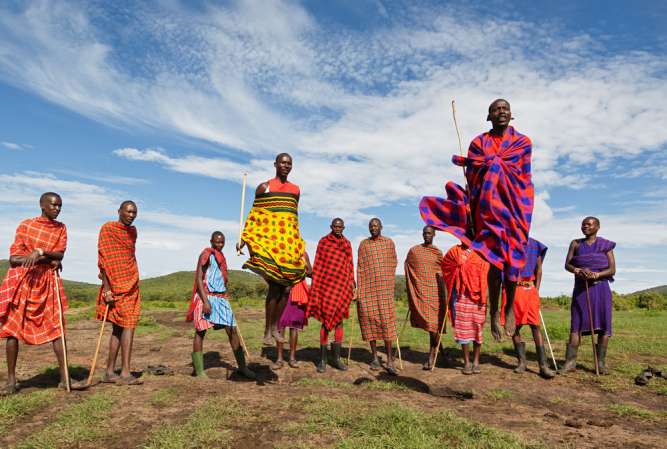
The Maasai people remain deeply connected to this landscape. Their culture, cattle economy, and traditional knowledge continue to shape the identity of the region. Many safari itineraries include visits to local villages—an opportunity to learn about daily life, ceremonies, beadwork, and the ongoing negotiation between people, livestock, and wildlife. These encounters add depth and context. They remind visitors that the plains are not empty wilderness waiting to be discovered; they are a living place with human history, contemporary challenges, and a complex relationship with the animals that share the land.
Responsible tourism supports both conservation and community. Choosing operators and camps that employ local staff, contribute to conservancy fees, and follow ethical wildlife-viewing guidelines helps ensure that the benefits of tourism flow back into the landscape and the people who live there. The long-term health of the Mara depends on this balance.
Making the Journey Your Own {#making-it-yours}
A Masai Mara safari works because it combines spectacle with atmosphere. You come for the Big Five, the migration, the open light, and the sense of space. You leave with quieter sensations: dust on the skin after a long drive, the sudden hush that falls over a vehicle when predators appear, the knowledge that you have stood inside something larger than yourself for a few days. Whether you arrive for the peak of the herds or for a quieter green-season chapter, the experience tends to feel timeless.
The most successful trips are those shaped around personal priorities. Some travelers want maximum wildlife density and are happy to share popular sightings with other vehicles. Others prefer the slower pace and exclusivity of conservancy areas. Families may look for camps with flexible schedules and activities suitable for children. Photographers often prioritize light, access, and the freedom to stay longer at a sighting. Couples may seek the romance of a private vehicle and a secluded camp. There is no single correct way to experience the Mara; there is only the version that matches what you hope to feel.
When you are ready to turn the dream into dates and details, experienced safari planners can help match the season, the style of camp, the length of stay, and the balance between the main reserve and the conservancies to your particular wishes. The landscape itself does the rest. It asks only that you arrive with open eyes and enough time to let the place work on you. In return it offers some of the most enduring memories a traveler can carry home: the sound of a lion at dusk, the sight of elephants crossing an open plain in golden light, the feeling of the wind moving through endless grass under an African sky.