

Package Overview
Masai Mara, Kenya: The Ultimate Travel & Photography Guide for 2025/26
Discover Masai Mara, Kenya, like never before: from sunrise over the plains to roaring rivers, from luxury lodges to intimate conservancies, this guide gives you everything you need to plan, photograph, and fall in love with one of Africa’s most iconic safari destinations.
Why Masai Mara Should Be on Your Bucket List
-
Epic wildlife & the Great Migration — July through October brings millions of wildebeest, zebras and gazelles flooding across the Mara River in one of nature’s greatest dramas.
-
Diverse ecosystems — savannahs, riverine forest, wetlands, escarpments; each area yields different species and photo opportunities.
-
Rich culture & conservation — partner-tasks between the Maasai people, conservancies, and reserve authorities give you culturally immersive experiences and ethical travel choices.
-
Accessibility and range — whether flying into an airstrip, driving from Nairobi, choosing a high-luxury camp or a rustic lodge, Masai Mara caters to all preferences and budgets.
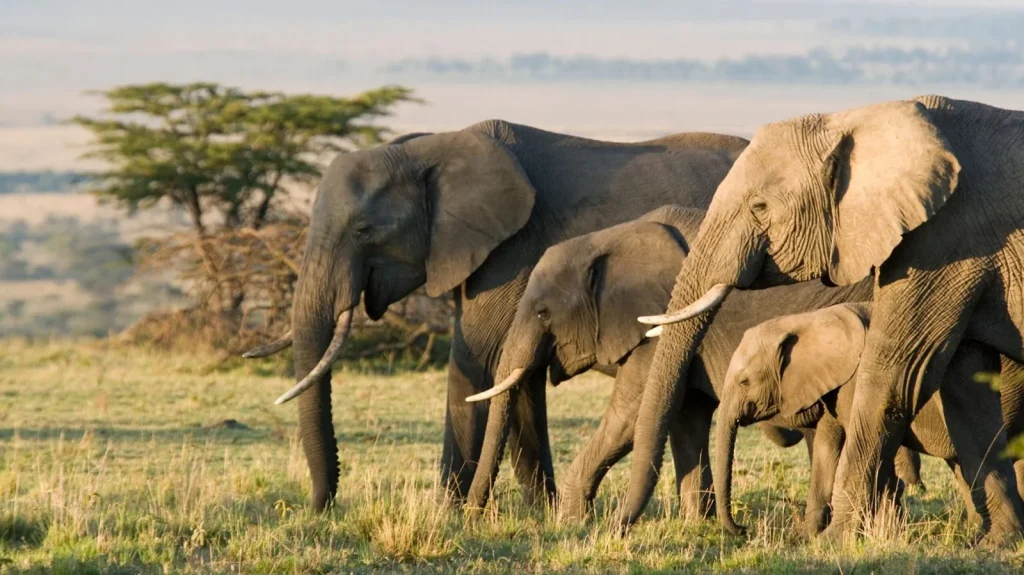
Best Time to Visit Masai Mara & What to Expect by Season
| Season | Highlights | Wildlife & Photo Ops | Pros & Trade-Offs |
|---|---|---|---|
| Dry / Peak (July-October) | Great Migration river crossings; clear skies; best visibility; fewer mosquitoes. | Tigers of the Mara River, predators congregating along river banks. Golden hour lighting superb. | High rates; lodges fill early; more tourists. |
| Green Season / Shoulder (Nov-Dec & Jan-March) | Lush landscapes; bird breeding; newborn animals; quieter lodges. | Excellent for macro & bird photography; dramatic skies after rains. | Some rain; muddy roads; fewer river crossings. |
| Low Season (April-June) | Best deals; very few travellers; greener terrain. | Some roads impassable; certain camps closed. | Wet weather; visibility sometimes low. |
Masai Mara Kenya: Entry Fees & Safari Tips
| Visitor Type | Jan 1 – Jun 30 | Jul 1 – Dec 31 |
|---|---|---|
| Non-resident adult | USD 100 / day | USD 200 / day |
| Non-resident children (9–17) | USD 50 | USD 50 |
| Kenyan citizen adult | KES 3,000 | KES 3,000 |
| Kenyan citizen child (9–17) | KES 1,000 | KES 1,000 |
Footnote: Children under 9 enter free
Note: Tickets valid 12 hours (if inside reserve) / daylight hours (if outside)
Tipping & Gratuities Guide
| Role | Suggested Tip |
|---|---|
| Guide / Driver | USD 10–20 |
| If guide & driver separate | Driver: USD 8–20 |
| Lodge staff / communal box | ~ USD 10–20 per day per tent / room |
Payment Methods & ATM Availability
-
Lodges often accept credit cards; but machines may fail in remote areas.
-
Gate entry sometimes only accepts cash (KES or USD) in small denominations.
-
ATMs are not reliable inside reserve — best to withdraw in Narok or major towns.
-
Carry enough cash to cover tipping and incidental costs.
How to Get There & Where to Stay
Getting to Masai Mara
-
Fly-in safaris — Wilson Airport in Nairobi offers daily small aircraft flights to several Mara airstrips (Keekorok, Ol Kiombo, Mara Serena, etc.). Great to maximise wildlife time.
-
By road — Approximately 5-6 hours from Nairobi via tarmac to Narok, but expect dirt roads near gates. Hiring a 4×4 Land Cruiser from Steve and Richard Safaris yields more comfort. Plan buffer time in rainy season.
-
Gates & Airstrips — Key entry gates: Sekenani, Talek, Musiara, Talek River Gate. Choose gate/airstrip based on where your lodge is to reduce transit time.
Accommodation Options Compared
| Lodging Type | Best For | Sample Lodges / Camps | Typical Price (USD) * |
|---|---|---|---|
| Luxury / Ultra-luxury | Honeymooners, photographers, once-in-a-lifetime trips | Angama Mara, Mahali Mzuri, Governors’ Camp | $800–$1,500+ per night all inclusive |
| Mid-Luxury / Boutique | Families, couples who want comfort & good wildlife access | Kichwa Tembo, Mara Plains (in conservancies) | $300-$800 per night |
| Budget / Eco Camps | Adventurers, green-minded, minimal stay | Some community camps, tents near Talek or Sekenani | $150-$300 per night |
Prices vary drastically during the peak migration; always check with Steve and Richard Safaris recent rates and what’s included.
Wildlife, Photography & What Not to Miss
-
The Big Five & beyond — Lions, leopards, elephants, buffalo, rhinoceros; plus cheetahs, hippos, large herds of antelopes, abundant birdlife.
-
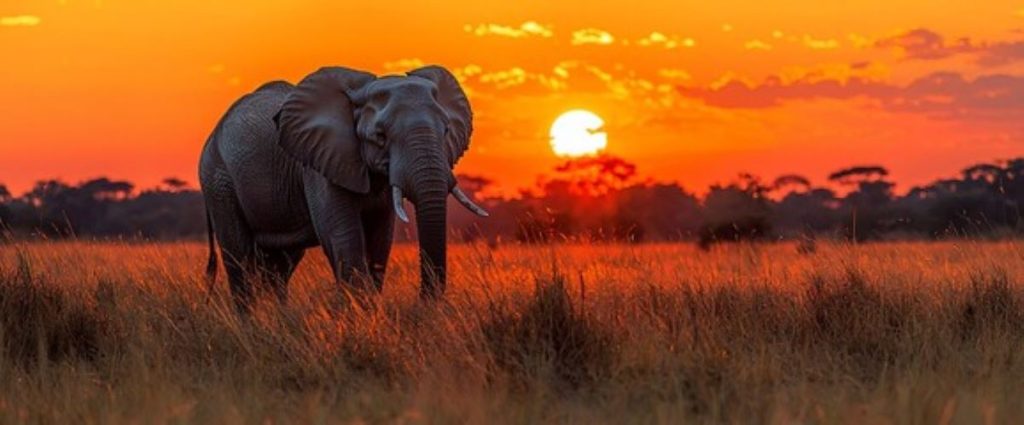
Golden hour — Dawn and dusk drives will deliver dramatic light; mist over the plains, silhouettes against acacia trees.
-
Hot air balloon safaris — Aerial perspective for landscapes, migration crossings, sunrise panoramas. Book months in advance.
-
Walking safaris & conservancies — In places like Ol Kinyei, Mara North; get up close to flora, tracks, small mammals. Less vehicle noise and fewer crowds.
Practical Tips & Hidden Costs
-
Entry & Permit Fees: Park entry for non-residents, fees for conservancies, guide fees. Regulations change: for example, since mid-2024, private self-drive inside the reserve requires a certified driver-guide.
-
What to pack: Layers (cold mornings, hot afternoons), waterproof jacket, sturdy boots, mosquito repellent, binoculars, camera rain cover, extra camera batteries.
-
Health & Safety: Vaccinations (Yellow Fever if entering from an endemic country), malaria prophylaxis, avoid walking outside camps at night, always go with certified guides.
-
Connectivity & Infrastructure: WiFi is limited in many camps; power backup varies; phone signal patchy near remote airstrips. Be prepared.
-
Payments: Many lodges accept cards; gate fees sometimes require cash (small denominations). Always check ahead. Bring some cash just in case.
Choosing the Right Itinerary Based on Your Style
-
2-day short safari: Best if you fly in, stay close to your lodge, do a morning and evening game drive + optional dawn balloon. Great for wildlife photographers on a tight schedule.
-
3-5 days: Allows you to explore different clinics: main reserve, conservancies, multiple gates. Peaceful time in camp, cultural visits.
-
Family trips: Pick lodges with child-friendly policies, shorter game drives, safer walking paths, comfortable facilities. Book early; request rooms with easy access.
Culture, Conservation & Responsible Travel
-
Engage with the Maasai communities: learn about their ceremonies, beadwork, local markets. Respect taboos, ask before photographing people.
-
Support conservancies that share revenue with Maasai landowners; choose lodges that practice sustainable tourism.
-
Be conscious about your footprint: avoid plastic waste, follow guidance in camps, stay on tracks, avoid disturbing wildlife.
Snapshot Itinerary — 3-Day Sample
-
Day 1: Arrive (fly or road). Afternoon game drive. Sunset over the plains.
-
Day 2: Early morning game drive or balloon safari; mid-morning rest; afternoon drive in conservancy; cultural visit in late afternoon.
-
Day 3: Optional walking safari or more game drives; depart in late morning/afternoon.

Make Your Mara Dream Come True
Ready to plan your trip? Whether you’re chasing perfect sunrise shots, thinking about comfort vs adventure, travelling solo, with family or friends — Masai Mara Kenya has something magical for you. Book early with Steve and Richard Safaris, travel wisely, and let Mara change you.
- Transport by 4×4 Landcruiser with open roof
- Transport by 4×4 Toyota Van with open roof
- Mineral Water
- Unlimited and most rewarding game drives
- All government levies
- Accomodation and Meals (full board basis) based on chosen option
- Pick and drop from your hotel or Airport
- Soft and Alcoholic drinks
- Tips and other gratitude
- Things of personal nature
- Costs incurred while Visiting, local homesteads or maasai villages
Masai Mara Kenya – Frequently Asked Questions (2025)
1. What is the exact price of park entry for non-residents vs residents? What about children? Are there variations by gate or season?
-
Non-residents (Adults): USD 100 per day (January–June) and USD 200 per day (July–December).
-
Non-residents (Children 9–17 years): USD 50 per day year-round. Children under 9 enter free.
-
Kenyan Citizens (Adults): KES 3,000 per day; Children 9–17 years pay KES 1,000.
-
Residents of East Africa (valid ID or permit required) pay reduced rates in between citizen and non-resident categories.
-
Fees are set by the county and do not vary by gate, but seasonality (low vs high) matters.
2. What payment methods are accepted at gates, lodges, and conservancies? Is there reliable bank or ATM access near major gates?
-
Payment at gates: Visa/MasterCard is often accepted, but card machines may fail due to poor signal. Always carry backup cash in KES or USD.
-
Lodges & Camps: Most mid-range and luxury lodges accept cards, though connectivity may delay transactions.
-
Conservancies: Payments often collected in advance by tour operators; ask before arrival.
-
ATMs: Only available in Narok town and Nairobi. Do not expect ATMs at Sekenani, Talek, or other entry points. Bring enough cash before you travel.
3. What is safe vs risky in Masai Mara?
-
Wildlife interactions: Always remain inside vehicles during game drives. Walking safaris are only allowed with trained guides in specific conservancies.
-
Night safety: Camps provide escorts after dark due to wild animals roaming nearby. Never walk outside marked areas alone.
-
Theft: Petty theft is rare in lodges but secure valuables. Use safes when available.
-
Emergencies: Most lodges have radio contact, emergency evacuation plans, and first aid. Consider travel insurance that covers medical evacuation.
4. How to choose between fly-in vs road safari?
-
Fly-in: Saves 5–6 hours of driving; flights take ~1 hour from Nairobi. Offers more time for game drives and is less tiring. Cost is higher, making it ideal for short trips or luxury travellers.
-
Road safari: 5–6 hours each way. Cheaper and scenic, with a chance to stop at viewpoints or towns along the way. Roads can be rough. Best for budget safaris or those with more time.
5. How many days are optimal to “see everything” in Masai Mara?
-
3–4 days: Ideal for most travellers. Enough time to witness the Big Five, predators, and possibly the Great Migration Kenya season (July–October).
-
2 days: Good for budget or short schedules, but expect a fast pace.
-
5+ days: Best for photographers, birdwatchers, and enthusiasts who want to explore multiple sectors and conservancies.
6. Where are the best photography spots & times?
-
Golden hour (dawn & dusk): Best light for wildlife photography, warm tones, and active predators.
-
River crossings: July–October near the Mara River — dramatic migration action shots.
-
Green season (Nov–March): Rich landscapes, bird breeding, newborn animals, and stormy skies.
-
Vantage points: Oloololo Escarpment (sunsets), Musiara Marsh (predators), Talek & Mara Triangle for crossings.
7. Accommodation tips – which lodges suit different travellers?
-
For wildlife closeness: Lodges in Mara Triangle or near Musiara/Talek gates put you at the heart of migration crossings.
-
For families: Look for child-friendly camps with pools, flexible meals, and shorter game drives (e.g., Talek area camps).
-
For couples: Luxury lodges in Mara conservancies offer privacy, tented elegance, and exclusive drives.
-
For solo travellers: Mid-range lodges near Sekenani or Talek are social, affordable, and safe.
-
For budget travellers: Campsites and budget tented camps outside Talek Gate or Oloolaimutia provide affordable stays.
8. What should I pack for a Masai Mara safari?
-
Clothing: Neutral colours (khaki, olive, beige). Light layers for hot days; fleece/jacket for cold mornings. Waterproof jacket for rain.
-
Shoes: Comfortable walking shoes/boots.
-
Accessories: Wide-brim hat, sunglasses, sunscreen, insect repellent (for mosquitoes).
-
Camera gear: DSLR/mirrorless with telephoto lens (200–400mm), binoculars, extra batteries, dust/rain covers.
-
Other essentials: Refillable water bottle, power bank, small flashlight, personal meds, travel insurance documents.
9. Is a day safari at Masai Mara doable?
Yes — a Masai Mara safari day trip is possible, especially if you’re short on time. If you fly from Nairobi to a Mara airstrip (≈ 1 hour), you can get several hours of wildlife viewing (Big Five, etc.). If you drive, it takes about 5-6 hours one way from Nairobi, so you’ll have much less time in game drives. A day safari gives a quick taste of Masai Mara, but you’ll see far more wildlife, enjoy better light (for photography), and feel more relaxed over 2-3 days.
10. Which gate or conservancy gives the best wildlife density / is closest to migration crossings?
-
Musiara Gate is excellent for predator viewing: lions, leopards, cheetahs are frequently seen. It gives access to the Musiara sector, including Musiara Marsh and the Mara River; very rich wildlife.
-
Talek Gate is central, well-placed between reserve and conservancies; good for both migration views (when the river crossing is nearby) and good lodges.
-
Oloolaimutia Gate (southeast) gives access to plains with elephants, cheetahs, etc., and is good when staying in lodges near that side.
If your priority is seeing the Great Migration crossing, plan around gates/airstrips near the Mara River and riverine conservancies, and time your visit for peak migration season (July-October). Also, staying in conservancies (versus just the reserve) often gives you more intimate and less crowded wildlife sightings.
11. Fly-in vs drive: how much time do I save, is it worth the premium cost?
-
Time saved is significant: flights from Nairobi (Wilson Airport) to Mara airstrips (~ 45 min–1 hour) vs 5-6 hours by road. This means more time for game drives, rest, photography.
-
Cost: Fly-in safaris cost much more. Fuel, aircraft charter, landing fees add up. Lodges near airstrips may charge premium rates. If your budget is mid to luxury, fly-in may be worth it. If budget is tight or you have more time, road safari gives value.
-
Experience trade-offs: Road gives you scenic journey, interaction with landscapes, perhaps stops in towns, cheaper experiences. Fly-in gives you time optimisation, less road fatigue, better sunrise/sunset opportunities.
12. What’s acceptable tipping in Kenya / Masai Mara?
-
Guides: US$10-20 per person per day (depends on luxury level).
-
Camp/Lodge Staff: US$5-10 per person per day for budget or mid-range; higher in luxury lodges.
-
Drivers/Trackers: Usually tipped separately; could be $5-10 per day or more depending on involvement.
-
Porters / other support staff: small amounts (often local currency), $1-2 per bag or per task.
Tipping is not mandatory but strongly appreciated. It helps improve the experience of those who work behind the scenes. Remember to carry small bills (USD or KES).
13. Are lodges powering safely with backup, how’s connectivity (WiFi, phone)?
-
Power & electricity: Many safari lodges have backup generators or solar power systems. However, power outages, especially in remote camps, are not uncommon (e.g., Masai Mara Sopa Lodge had reports of afternoon blackouts and limited electricity).
-
Connectivity: WiFi availability varies. In many lodges, WiFi is offered in common areas (lounge, dining), but not always reliable or strong in guest rooms. Phone signal (local networks) is patchy in remote areas but generally works nearer to lodges, airstrips, entry gates.
14. Can I travel with children? Which lodges are child-friendly?
-
Yes, children can travel to Masai Mara. Many lodges accept children, though there are minimum age policies for certain activities (e.g. balloon safaris, walking safaris). Minimum is often around 6 years old for game drives or balloon rides. Check individual lodge policies before booking.
-
For child-friendly lodges, look for those with good safety measures, comfortable rooms, family-style meals, shorter game drives (less taxing), friendly staff. Lodges near more accessible gates (Talek, Sekenani) are often more suitable for families.
15. Best months for photography (light, “golden hour”, bird breeding etc.)?
-
Peak Migration (July-October) gives dramatic scenes: river crossings, predator action, clear skies. Golden hour lighting (dawn, dusk) excellent for big wildlife photography.
-
Green / Shoulder Season (November–March): Lush landscape, many birds (bird breeding), newborn animals, dramatic clouds, softer light. Great for macro, birds, atmosphere.
-
Rainy season (April-June) gives dramatic skies and rainbows, but roads can be muddy, visibility less stable.
16. Payment at gates / lodges: do they take credit cards / cash? Are ATMs reliable near Narok or at gates?
-
Gates / Park entry fees: Payment is often possible by card (Visa, MasterCard), sometimes mobile money (M-PESA), but card machines may not always work, especially in remote entry gates.
-
Cash (KES or USD) is still necessary in many places for tipping, small purchases, camps, gates. Carry enough small denominations.
-
ATMs are reliable in Nairobi, Narok (gateway town), and larger towns. Inside the reserve or in camps, you should not expect usable ATMs.
17. How to avoid tourist traps / inflated costs / hidden fees?
-
Book with reputable safaris like Steve and Richard Safaris – a local Kenya tour operator with 15 years of experience / lodges that display full cost breakdown (park fees, vehicle, guide, meals, taxes).
-
Ask ahead whether entry & conservancy fees are included; whether transfer costs (road or fly-in) are included.
-
Be cautious with low quotes; sometimes they omit hidden costs (driver tip, fuel surcharge, optional activities, permit fees).
-
Confirm cancellation policies, what the accommodation includes (meals, transfers, game drives).
-
Verify lodge reviews especially recent ones for additional fees, electricity, WiFi, quality.
-
When buying crafts / visiting Maasai villages, verify pricing, avoid bargaining down disrespectfully, ensure authenticity.
18. Cultural etiquette when visiting Maasai villages / interacting with local people / conservation responsibilities
-
Always ask permission before photographing individuals or entering villages. Elders may expect greeting first.
-
Dress modestly (shoulders covered, avoid very revealing clothing) when among Maasai communities.
-
Support local businesses by buying authentic crafts directly from artisans. Be wary of mass-produced souvenirs.
-
Respect sacred sites or ceremonies; don’t trespass. Follow guide’s instructions.
-
Contribute positively: follow rules in conservancies, avoid litter, stay on marked roads/trails, don’t disturb wildlife.